Leyton Orient's 1972 European Adventure: A Journey to Remember
In the summer of 1972, Leyton Orient made history by qualifying for the Inter-Cities Fairs Cup, a competition that would allow them to shows their abilities on an international platform. The significance of this achievement cannot be overstated, as it was the first time in the club's history that they would compete against teams from across Europe, elevating their status in the footballing world.
The O's had earned their place in this prestigious tournament after a commendable run in the 1971-72 season, finishing in a respectable mid-table position in the Second Division. With a squad that blended experience and youthful exuberance, the team was ready to take on the challenge that lay ahead. Led by manager Alan Mullery, Orient entered the competition full of hope and ambition, ready to make their mark against some of Europe’s finest.
The road to the Fairs Cup began in the first round, where Leyton Orient faced K.A.A. Gent from Belgium. The first leg, played at Brisbane Road, showed the O's determination and skill, with the home crowd creating an electric atmosphere that reverberated through the stands. Although they faced a tough opponent, the O's managed to secure a 2-2 draw, leaving everything to play for in the return leg.
The second leg in Belgium was an entirely different affair. The O's traveled to Gent with the hopes of their supporters riding high. Despite a valiant effort, they were narrowly defeated 2-1, which meant they exited the tournament at the first hurdle. However, the experience gained in those two matches resonated deeply with the players, the management, and the fans alike.
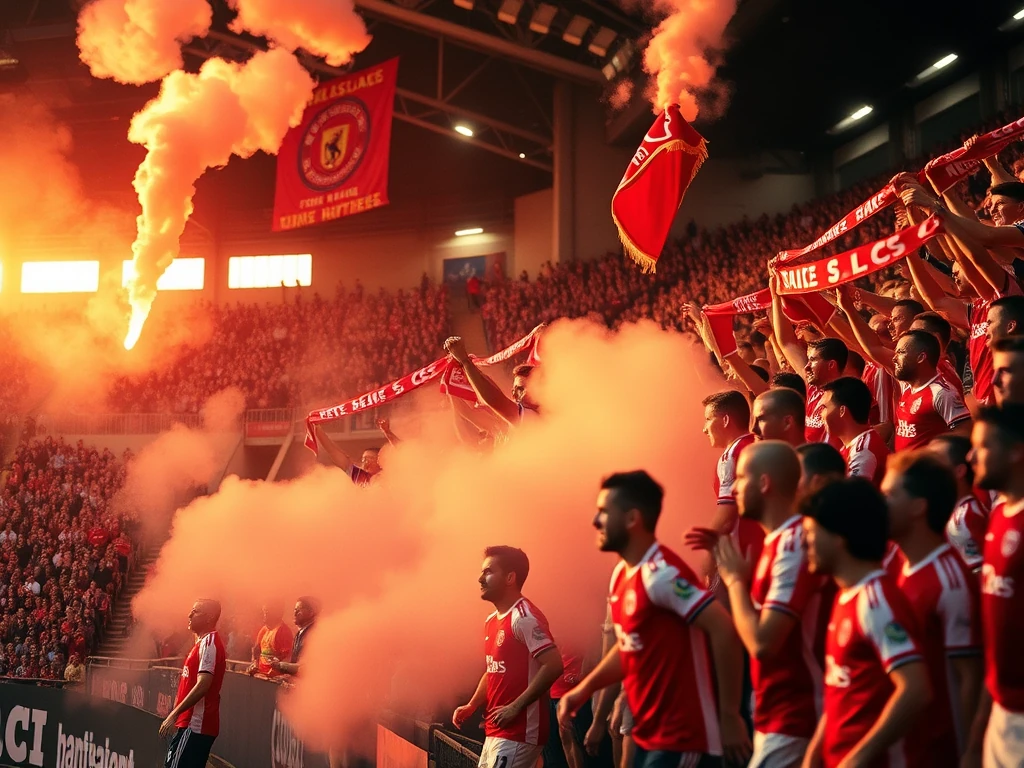
What made this European adventure particularly special was the camaraderie it fostered among the supporters. For many fans, it was their first taste of European football, and the pride they felt in following the O's abroad was palpable. The atmosphere on the terraces was electric, and stories of the trip to Gent have been passed down through generations of Leyton Orient fans. It was a sign that, regardless of the outcome, the journey and the experience held intrinsic value.
This European campaign also served as a catalyst for the club's future aspirations. It marked the beginning of Leyton Orient's ambitions to reach greater heights, promoting a belief that they belonged on the international stage. The experience gleaned from competing in Europe would lay the groundwork for future successes, influencing how the club approached its domestic campaigns in the years that followed.
In hindsight, while the O's may not have advanced far in the tournament, the significance of their participation in the Inter-Cities Fairs Cup cannot be understated. It was a landmark moment in Leyton Orient's history, a sign of the club’s resilience and the unwavering support of its fans. The story of that summer in 1972 remains etched in the memory of all who witnessed it, a chapter in the club's rich history that continues to inspire future generations of O's supporters.