
The 1980s were a tumultuous time for Leyton Orient, a decade that tested the resolve of the club and its supporters. After a disheartening relegation to the Fourth Division in 1982, many feared for the future of the O's, especially with financial instability looming over the club like a dark cloud. Yet, what unfolded during this period was not merely a struggle for survival; it was a renaissance that would redefine the spirit of Leyton Orient.
Under the stewardship of manager John Sitton, appointed in the summer of 1993, the club began to reshape its fortunes. Sitton, a former player turned manager, brought with him a fierce determination and a belief that the team could emerge from the shadows of the lower leagues. His robust approach and no-nonsense attitude resonated with both players and fans, igniting a spark of hope that had been dimmed for far too long.
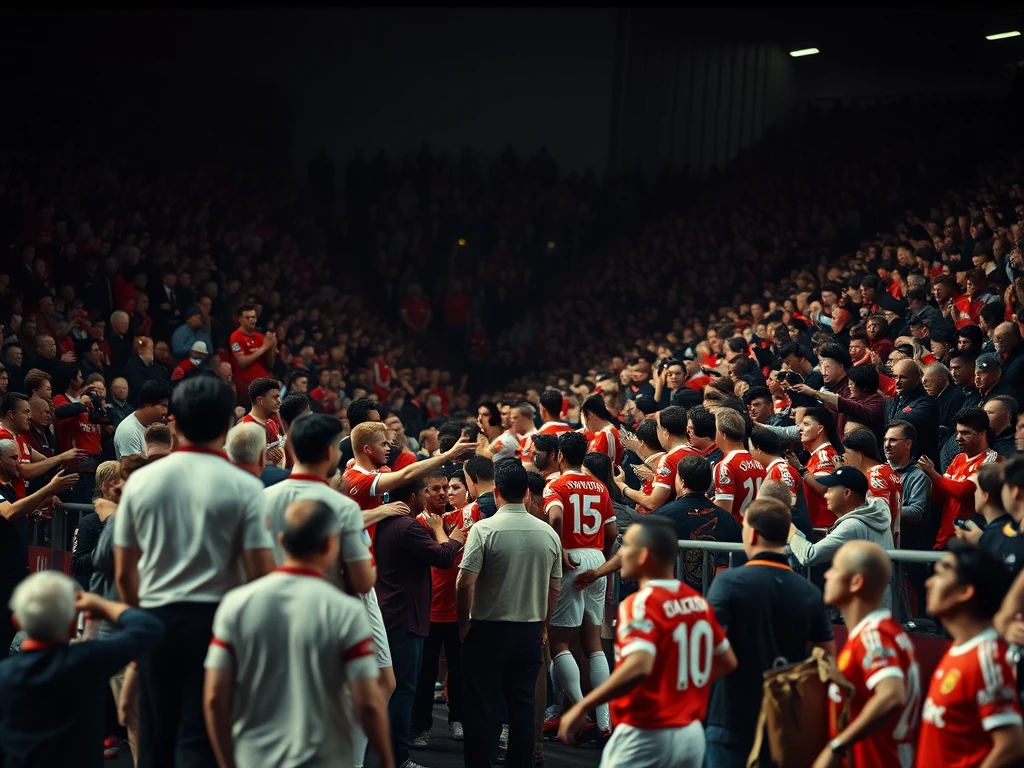
One of the standout moments of this revival came in the form of the club's performance during the 1988-89 season. The O's were embroiled in a battle for promotion, and each match felt like a mini-final, with supporters rallying behind their team at every turn. The atmosphere at Brisbane Road became electric, a sign of the unwavering loyalty of the fanbase. As the season progressed, Leyton Orient's resilience shone through, culminating in a dramatic playoff campaign that captured the hearts of many.
Despite narrowly missing out on promotion that season, the team's grit and determination laid the foundation for future success. The following years saw the arrival of exciting talents, including the likes of Dean Smith and Gary Alexander, who infused the squad with fresh energy and creativity. Their contributions, coupled with the unwavering support from the stands, helped galvanize the club's ambitions as they aimed for greater heights.
The 1980s revival was not only about the players on the pitch; it was a collective effort that involved the entire community. The O's supporters, known for their passionate backing, played an instrumental role in creating an environment where players felt empowered to perform. This deep connection between the team and its fans became a hallmark of Leyton Orient's identity, one that would echo through the decades to come.
As the decade drew to a close, Leyton Orient had regained its standing and pride, positioning itself back in the Football League. The challenges faced during the early part of the 1980s had transformed into a story of resilience and rebirth, reminding everyone associated with the club that unity and determination could overcome even the bleakest of circumstances.
This legacy of the 1980s continues to inspire the current generation of players and fans alike. Leyton Orient's journey through hardship and revival serves as a powerful reminder of the strength that lies within community and the undying spirit of the O's. As we look back on this key decade, it is clear that the seeds sown during this time have blossomed into the rich history and culture that Leyton Orient embodies today.