Leyton Orient's 1990s Revival: Resilience and Reinvention Amidst Adversity
The 1990s was a decade that tested Leyton Orient's mettle, as the club faced a series of challenges that threatened its very existence. The O's, once a proud participant in the Football League, found themselves grappling with financial instability and a decline in on-field performance. However, rather than succumb to these difficulties, Leyton Orient showed an inspiring resilience that not only preserved the club but also laid the groundwork for a brighter future.
At the start of the decade, Leyton Orient was relegated from the Third Division in 1992. The club faced mounting debts, and there were genuine fears that it could fold. Fans rallied together. This period of struggle was not only about survival but also about the community's determination to keep the O's alive.
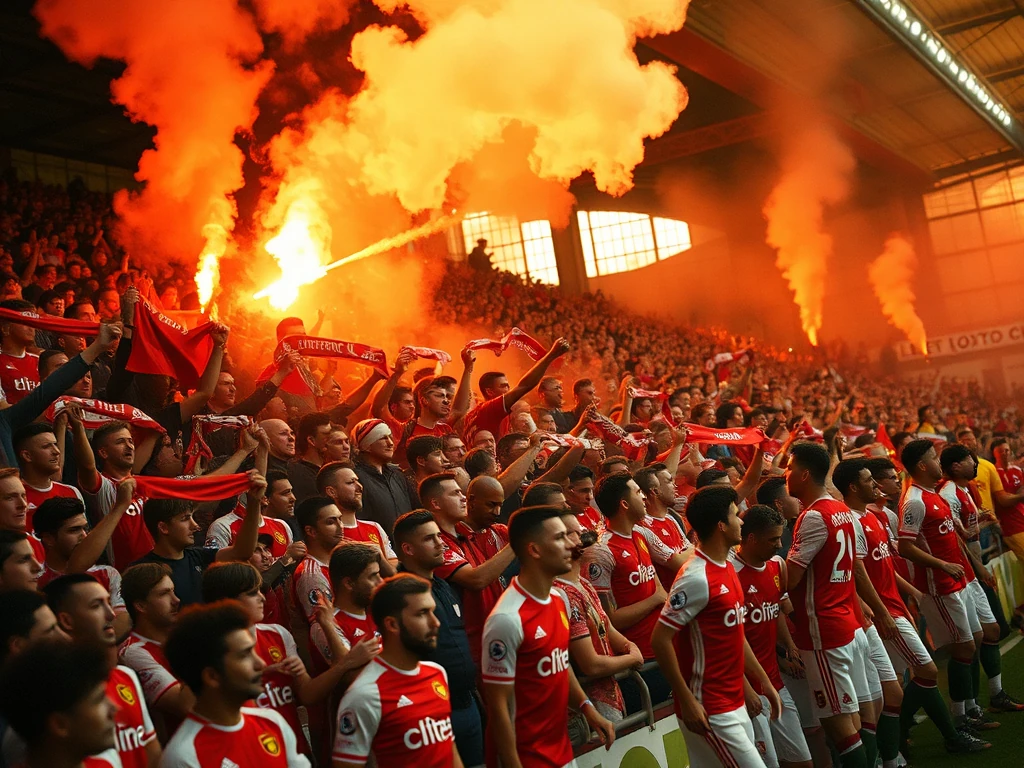
Amidst financial woes, the club hired manager John Sitton in 1993, a decision that would prove to be both controversial and key. Sitton, known for his fiery temperament, failed to bring the immediate results needed, and his tenure was marked by tumult both on and off the pitch. Despite the challenges, he sparked a sense of urgency and pride among the players and supporters, culminating in a memorable moment during a match against Southend United. The passion displayed during that local derby was a sign of the rivalry and the unbreakable spirit of Leyton Orient fans.
The mid-90s saw the club in a fight for survival, but the arrival of new ownership in the form of Barry Hearn in 1995 brought much-needed stability. Hearn, a charismatic businessman, recognized the potential of the club and set about reshaping its fortunes. His investment revitalized the club's finances and infrastructure, allowing for improvements to the Matchroom Stadium and the youth academy. This focus on nurturing young talent would prove key in the years to follow, as many homegrown players began to emerge and contribute to the first team.
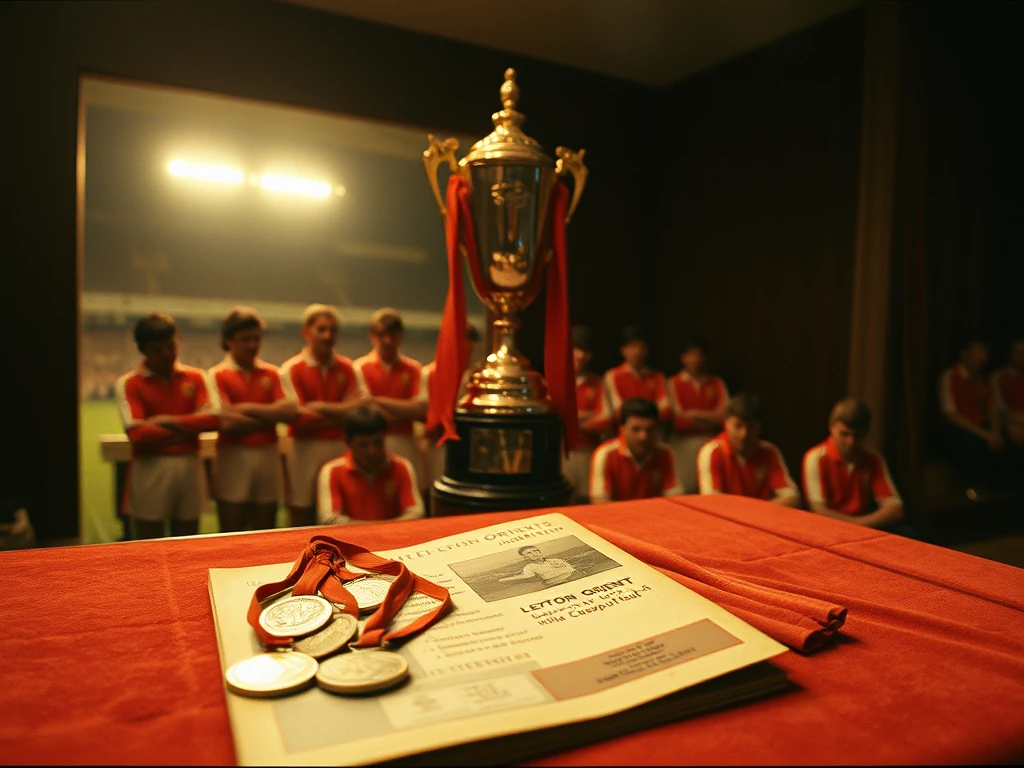
The 1999-2000 season marked a significant turning point for the O's. After years of struggle, they managed to secure promotion from the Football Conference. The journey to reclaiming their place in the Football League was not only a sporting achievement but also a reflection of the community's spirit that had rallied around Leyton Orient during its darkest hours. The promotion was celebrated as a sign of the club’s resilience and the unyielding support of its fans.
As Leyton Orient stepped back into the Football League, the 1990s had left an indelible mark on the club's identity. The challenges faced during this decade forged a stronger bond between the club and its supporters, who had come together in a time of crisis. The legacy of that era is still felt today, as The O's continue to strive for success while honouring the spirit of resilience that defined their journey through adversity.
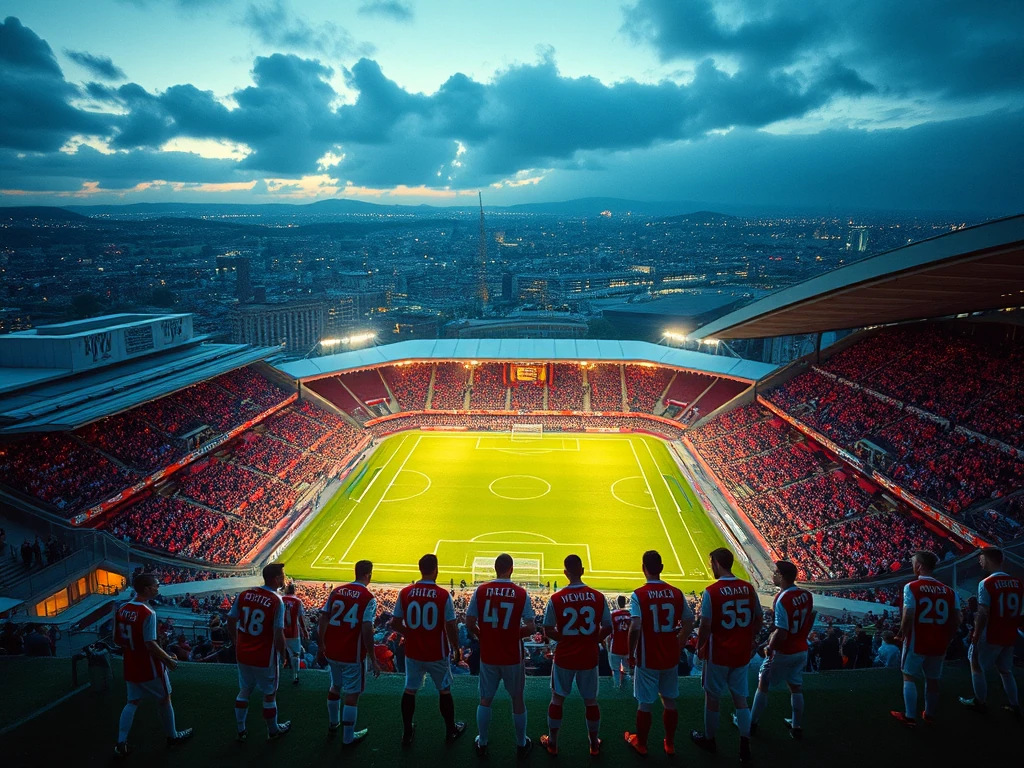
In hindsight, the 1990s might be remembered as a tumultuous period, but it was also a time of reinvention for Leyton Orient. The club emerged from the brink, not only as a football team but as a symbol of community spirit and determination. As the fans continue to fill the stands at Matchroom Stadium, they carry with them the stories of the past, reminding everyone that Leyton Orient is more than just a club; it’s a family that stands united through thick and thin.