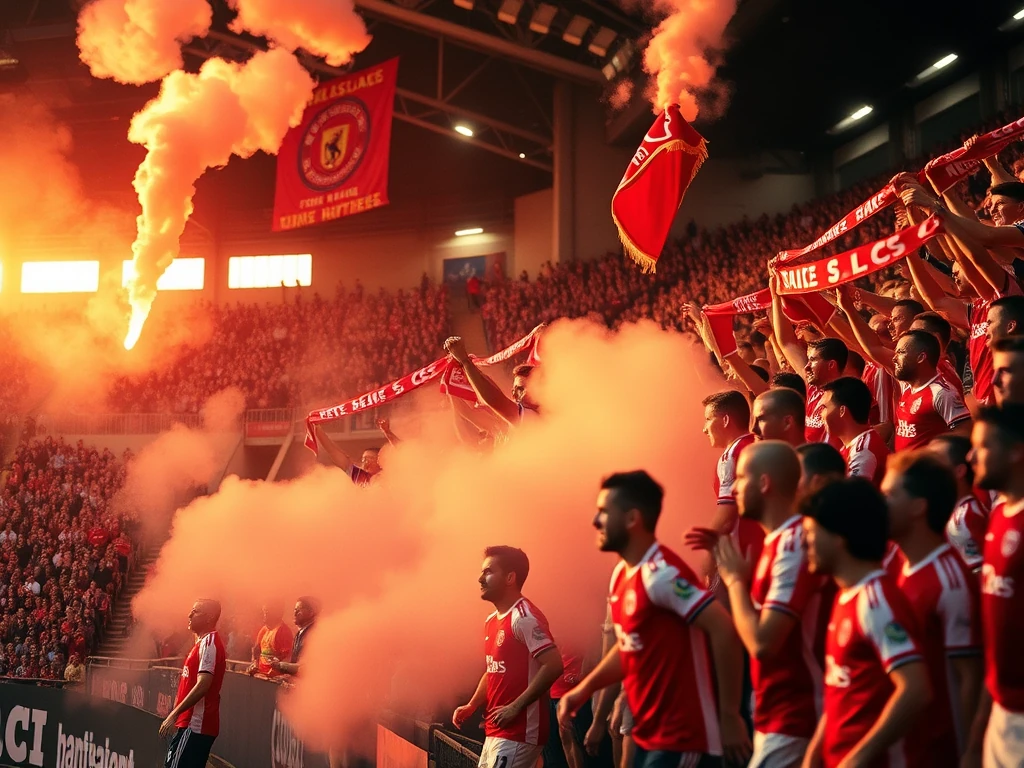

Leyton Orient, affectionately known as The O's, has shown promising glimpses of potential this season, but consistency remains elusive. With the team currently battling for a strong position in League Two, a thorough tactical analysis reveals several areas where subtle adjustments could lead to improved performances and greater success on the pitch.
Current Tactical Overview
The O's have adopted a fluid 4-3-3 formation that emphasizes attacking width and dynamic movement. This setup allows for quick transitions and the ability to exploit the flanks, especially with the pace of wingers like Michee Efete and Harry Smith. However, recent matches have exposed vulnerabilities, particularly in the midfield where opponents have found space to exploit.
Midfield Dynamics
One of the key areas to address is the midfield triangle. Currently, the three central midfielders often struggle to maintain possession under pressure, leading to a lack of control in the game. A tweak to a 4-2-3-1 formation may provide additional stability. By deploying two more defensively-minded midfielders, such as Craig Clay and George Moncur, the team can shield the backline effectively while allowing the attacking midfielder to push forward and link play between the midfield and forwards.
Defensive Structure
Defensively, Leyton Orient has shown resilience but needs to tighten communication and organization. The back four, while generally solid, has been vulnerable to counter-attacks. Encouraging the full-backs to push higher up the pitch can create width, but this must be balanced with the need for defensive cover. Implementing a more structured defensive line with a compact shape when out of possession can help nullify threats from speedy counter-attacking teams.
Attacking Strategy
In the offensive third, the O's should focus on exploiting set-pieces and creating overloads in wide areas. With players like Ruel Sotiriou possessing the ability to drift into pockets of space, use him effectively can unlock opposing defenses. Additionally, incorporating more direct ball progression through quick, vertical passes can catch opponents off guard, especially when combined with the pace of the wingers.
Conclusion
Leyton Orient is on the cusp of harnessing their full potential, but tactical fine-tuning is essential. By adjusting the midfield structure, enhancing defensive organization, and refining attacking strategies, the O's can better handle the challenges of League Two. As the season progresses, these tactical tweaks could prove vital in their quest for promotion and solidify their status as a formidable force in English football.