Leyton Orient's Tactical Identity: Refining the Midfield Dynamics
Leyton Orient, affectionately known as The O's, has been handling a challenging period in the League. While their attacking prowess has shown promise, a detailed look at their midfield dynamics reveals areas that could benefit from strategic tweaks. As the team seeks to improve its league standing, a focused refinement of their midfield approach could be key to unlocking greater potential.
Recent Form Analysis
In recent matches, Leyton Orient has displayed a tendency to dominate possession yet struggle to convert that into clear-cut chances. The midfield has often been the fulcrum of their play, but it has also been susceptible to being overrun by opponents during transitions. The current setup, which typically employs a three-man midfield, has its strengths in ball retention and recycling, but it sometimes lacks the dynamism required to break down stubborn defenses.
The interplay between the central midfielders, particularly in the final third, has not been as fluid as it could be. Players like George Moncur and Craig Clay have shown glimpses of creativity, but they often find themselves isolated due to a lack of support from wide areas or from deeper teammates. This isolation hampers the team's ability to create scoring opportunities, leading to frustration among forwards who are eager for service.
Suggested Tactical Tweaks
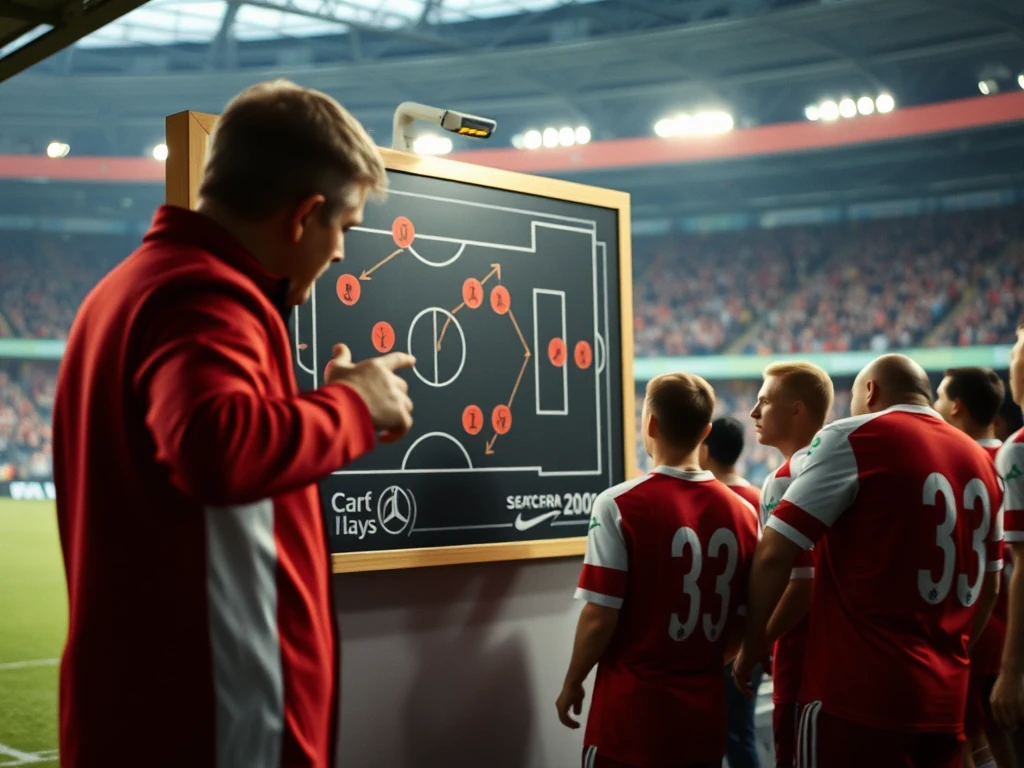
To enhance their effectiveness, Leyton Orient could consider adjusting their midfield formation to a diamond shape. This would allow for a more compact and interconnected midfield unit that could support both defensive duties and attacking transitions. The formation would involve one holding midfielder, two central midfielders, and a more advanced playmaker positioned at the tip of the diamond. This tactical switch would encourage fluid movement and enable players to exploit spaces left by opposing defenders.
Additionally, instructing the wide players to tuck in more frequently would create overloads in central areas, allowing the O's to maintain possession in key zones. The full-backs, such as Dan Happe and Connor Wood, could be encouraged to push higher, providing width and creating crossing opportunities. This adjustment would not only stretch the opposition but also create more avenues for the central midfielders to exploit.
Emphasizing Pressing and Transition
Another critical area for improvement is the team's pressing strategy. Leyton Orient has shown glimpses of effective pressing, but it has often been inconsistent, leading to periods where they allow opponents too much time on the ball. By implementing a more coordinated pressing approach, the midfield can disrupt the opposition's build-up play and regain possession more effectively. This could be achieved by ensuring that all three midfielders engage the opposition in a compact manner, forcing turnovers in dangerous areas.
In transition, the O's should focus on quick ball movement to exploit any defensive lapses from their opponents. Encouraging midfielders to make forward runs beyond the strikers can provide additional options and create confusion in the opposition's defensive structure. This proactive approach could significantly increase the chances of scoring, as it would allow Leyton Orient to capitalize on any defensive lapses.
Conclusion
As Leyton Orient looks to solidify their tactical identity this season, refining the midfield dynamics will be key. By adopting a diamond formation, enhancing pressing strategies, and emphasizing quick transitions, The O's can better leverage their midfield's strengths. With these adjustments, the team may find itself not only competing fiercely in the league but also delighting its passionate fanbase with exciting, attacking football.