Introduction
Leyton Orient, affectionately known as The O's, have had a mixed bag of results recently. As the team heads into a challenging phase of the season, an analysis of their tactical formation and player roles could provide insights into how they can refine their approach and boost their chances of success.
Current Tactical Setup
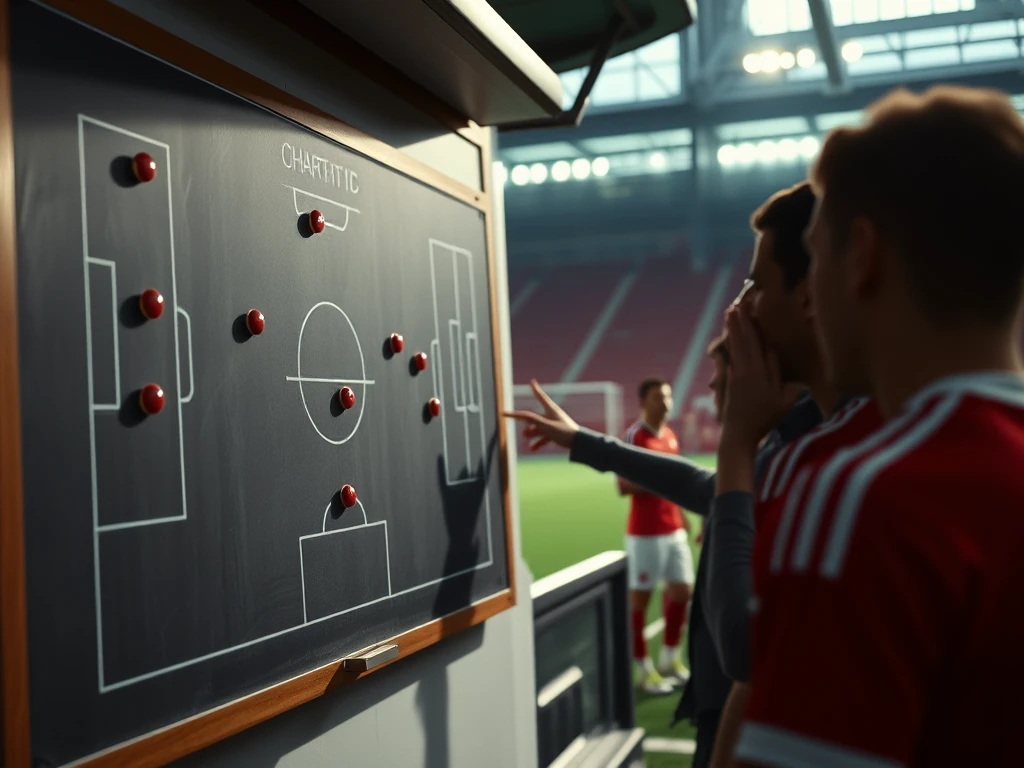
Orient have predominantly deployed a 4-3-3 formation, which has its merits for attacking flair and midfield control. The front three often features dynamic wingers who look to stretch the opposing defence, while the central striker operates as a focal point. However, this setup has occasionally left them vulnerable on the flanks, particularly against teams that exploit width effectively.
Key Areas for Improvement
1. Defensive Solidity: While the attacking intent of the 4-3-3 is commendable, the defensive line has struggled against quick counter-attacks. Tweaking the formation to a 4-2-3-1 could provide an additional layer of protection in midfield, allowing two holding midfielders to shield the back four. This change would enable the full-backs to push forward with more freedom, knowing they have support in the centre.
2. Midfield Dynamics: The current midfield trio often appears stretched, particularly when defending against teams that press high. Introducing a more compact midfield setup would allow Leyton Orient to regain possession more effectively and control the tempo of the match. A pivot player who can link defense and attack would be invaluable here, ensuring that transitions are swift and efficient.
3. Utilising Width: While the wingers are integral to the attacking setup, their roles could be adjusted to ensure they provide greater support defensively. In certain matches, it may be beneficial for them to drop back and form a five-man midfield when out of possession, thus reinforcing the central areas and limiting the opposition's options.
Player Roles and Responsibilities
In light of these tactical considerations, specific player roles should be re-evaluated: - Central Midfielders: Players like Tom James and George Moncur need to be more versatile, capable of supporting both defensive duties and attacking transitions. Their positional awareness will be key in a potential 4-2-3-1 setup. - Wingers: The likes of Harry Smith and Omar Beckles should be given defined responsibilities, not only in attack but also in tracking back when the team is under pressure. This balance will ensure that the team remains robust while still being able to threaten on the counter. - Full-Backs: A more attacking approach from the full-backs could also be a big change. If they can time their runs correctly, it would stretch opposition defences and create additional space for the wingers to exploit.
Conclusion
As Leyton Orient looks to solidify their standing in the league, tactical evolution will be most important. By embracing a more flexible formation and refining player roles, The O's can enhance their competitive edge and secure the results needed to challenge for promotion. Whether through small adjustments or a more significant overhaul, the key will be in maintaining a balance between attacking ambition and defensive stability.