
Leyton Orient's Recent Form: Tactical Tweaks for Improvement
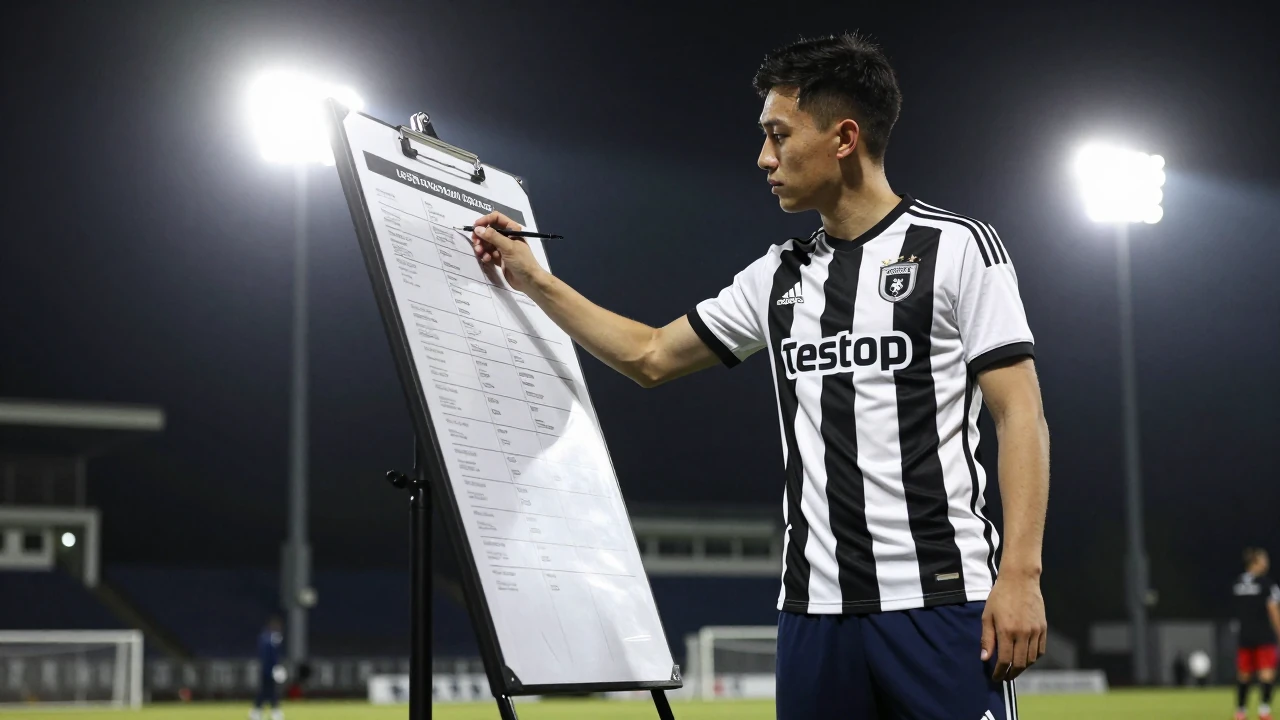
Leyton Orient has shown glimpses of promise in their recent matches, yet inconsistency has hindered their progress in the league. With the season well underway, it’s essential to dissect the tactical framework employed by head coach and identify areas for improvement that could lead to more consistent results.
Current Tactical Setup
The O's have predominantly employed a 4-3-3 formation this season, providing a solid foundation for both attacking and defensive phases. This setup allows for dynamic midfield play while use the width offered by the wingers. However, as observed in recent fixtures, the team has struggled to maintain control in the midfield, often being outnumbered, particularly against sides that deploy a more compact and disciplined 4-2-3-1 formation.
Midfield Dynamics
One of the most pressing concerns has been the midfield’s inability to effectively shield the backline when transitioning from attack to defense. The central trio, while talented, has at times lacked the necessary cohesion, leading to gaps that opposing teams exploit. A potential tweak could be to shift to a 4-2-3-1 formation, where two holding midfielders can provide additional defensive support, allowing the creative midfielder more freedom to influence the game higher up the pitch.
Defensive Solidity
Defensively, Orient has been exposed to counter-attacks, particularly when full-backs venture forward. While they are key for providing width and attacking depth, a more cautious approach may be warranted. Implementing a slightly deeper defensive line could mitigate risks, allowing the backline to regroup more effectively when possession is lost.
Wing Play Utilization
Another area for reflection is the use of wing play. The O's wingers have pace and skill but have occasionally been isolated in one-on-one situations. Encouraging overlapping runs from the full-backs could create more space and options, enhancing the team’s ability to stretch opposition defenses. Additionally, varying the crossing strategy to incorporate low-driven balls into the box could capitalize on the strikers' movement and positioning.
Emphasizing Pressing
Also, Leyton Orient has shown flashes of effective pressing but lacks consistency in execution. A more structured pressing system could not only lead to regaining possession higher up the pitch but also disrupt the opposition's rhythm. By specifically targeting the opposition’s weaker ball players and coordinating movements as a unit, the O's can create more turnover opportunities.
Conclusion
While Leyton Orient has displayed potential through their attacking flair, there are tactical adjustments that could significantly enhance their performance. By considering a shift to a 4-2-3-1 formation, improving midfield dynamics, solidifying defensive structures, and implementing a more cohesive pressing strategy, the O's can position themselves for a stronger push in the league. These tweaks can help the team handle the challenges ahead, ensuring that Leyton Orient's aspirations remain firmly on course.