
Leyton Orient's Tactical Evolution: Adapting to Recent Challenges
As Leyton Orient handles the challenges of the current League season, their tactical approach has come under scrutiny. The O's have displayed moments of promise, yet inconsistency in performance has hindered their progress. To address these issues and build on their strengths, a few tactical tweaks could offer the team a more solid foundation moving forward.
Current Form and Tactical Identity
Recent matches have highlighted Leyton Orient's ability to create chances, but they often struggle to convert these opportunities into goals. This inconsistency stems from a few key tactical aspects. The current formation, primarily a 4-3-3, has provided width and attacking options but has also left the team vulnerable during transitions. Opponents have exploited gaps in midfield, leading to counter-attacking opportunities that have resulted in conceding goals at critical moments.
Suggested Tactical Adjustments
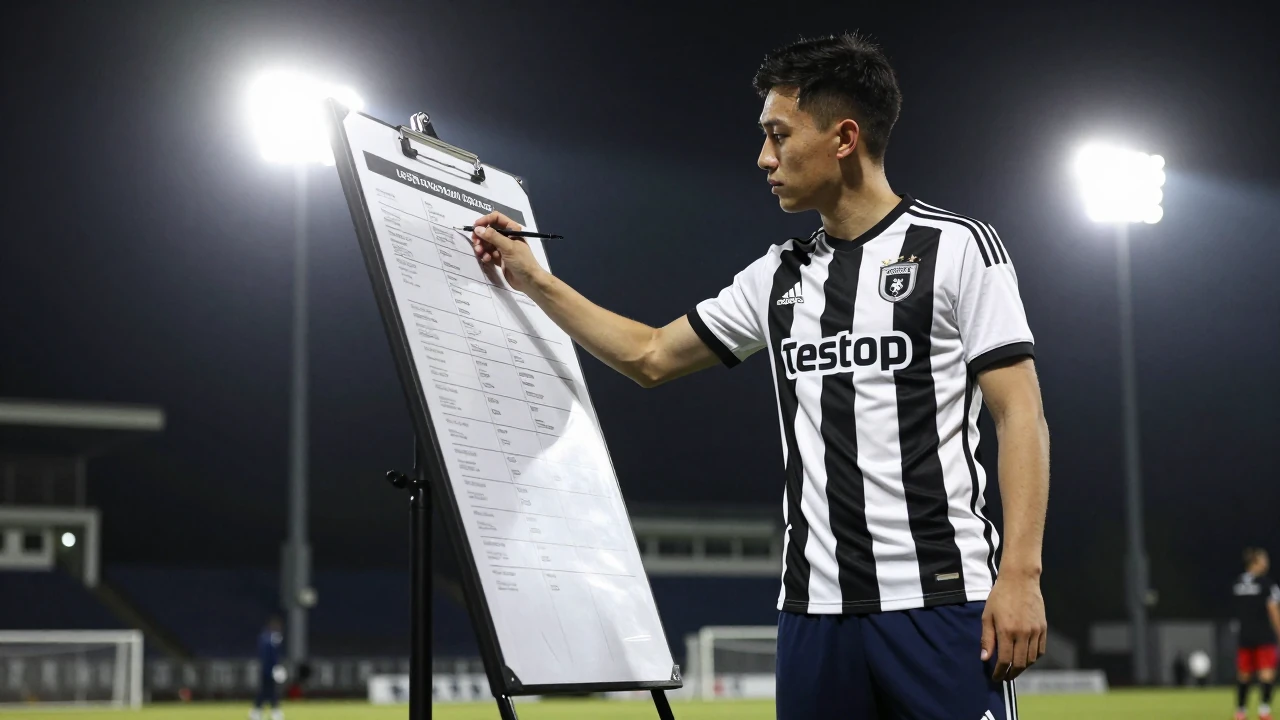
1. Shift to a 4-2-3-1 Formation: Transitioning to a 4-2-3-1 formation could provide more stability in midfield. By employing two holding midfielders, Leyton Orient can better shield the defense, allowing the full-backs to push forward with more confidence. This adjustment would give the team greater control of the midfield and reduce the risk of being countered.
2. Use a Double Pivot: Implementing a double pivot in midfield, consisting of more defensively-minded players, can help retain possession while also providing a platform for launching attacks. This setup allows for greater ball recovery and quicker transitions from defense to attack, use the pace of the wingers effectively.
3. Wing Play and Overlapping Runs: Encouraging full-backs to make overlapping runs will be key in stretching the opposition's defense. This not only creates space for wingers but also allows for more dynamic attacking options when crossing the ball into the box. The combination of width and overlapping runs could lead to increased goal-scoring opportunities.
4. Pressing Strategy: A more coordinated pressing strategy could disrupt the opposition's build-up play, especially in away games where Leyton Orient has struggled. Implementing a high press in certain phases of the game could force errors and create chances in advanced positions. This strategy requires a collective effort and high stamina from the players to maintain intensity throughout the match.
5. Set-Piece Improvement: Enhancing set-piece routines, both defensively and offensively, could provide Leyton Orient with additional goal-scoring opportunities. Investing time in training to refine set-piece strategies can lead to key goals, particularly in tight matches where open play opportunities are limited.
Conclusion
As Leyton Orient continues to adapt to the rigors of League football, tactical evolution is essential for improving consistency and performance. By considering these suggested adjustments, the O's can strengthen their overall game, increase their competitiveness, and ultimately enhance their chances of success in the league. The upcoming fixtures will be key for testing these tactical tweaks, and fans will be hoping for a positive response from the team as they aim for a strong finish to the season.