Leyton Orient has been handling a challenging patch in their League campaign, with results that have at times left fans yearning for a more cohesive performance. Despite flashes of brilliance, inconsistencies in both attack and defense have hindered the team's ambitions. A tactical analysis of recent games suggests that a few strategic tweaks could help the squad regain its footing and push for a stronger position in the league.
Current Tactical Setup
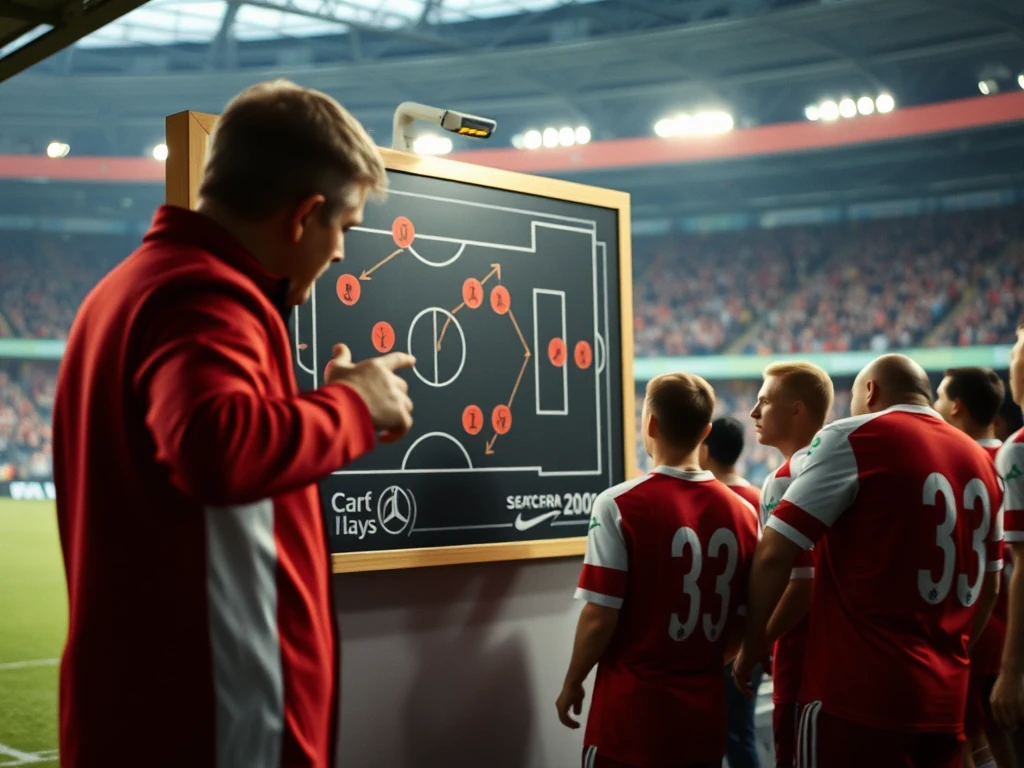
In their recent matches, Leyton Orient has predominantly employed a 4-3-3 formation, a setup that has allowed them to press high and create scoring opportunities. However, this formation has also exposed them to vulnerabilities on the counter-attack, particularly when the wing-backs have advanced too far up the pitch. The midfield, while creative, has occasionally struggled to provide adequate cover, leading to gaps that opposing teams have exploited.
Suggested Tweaks
To address these issues, a shift towards a 4-2-3-1 formation could be beneficial. By fielding two holding midfielders, Leyton Orient can bolster their defensive stability, allowing the full-backs to contribute to the attack without leaving the backline too exposed. This adjustment would provide a more balanced structure and allow the team to maintain possession more effectively.
In this setup, the double pivot in midfield could consist of a more defensively minded player alongside a creative one. For example, pairing someone like Craig Clay, known for his work rate and defensive acumen, with a player like George Moncur, who can transition the ball forward, would create a solid foundation for the attacking players. This duo would not only shield the back four but also enable the team to launch swift counter-attacks.
Use the Attacking Talent
With the attacking trio in front of the midfield pivot, Leyton Orient can leverage the creativity and pace of their forwards more effectively. A central attacking midfielder, perhaps someone like Idris El Mizouni, could link the play between the midfield and the forwards, providing the necessary support to strikers like Harry Smith. This role is key in breaking down opposition defenses and creating goal-scoring opportunities.
Also, ensuring that the wingers can cut inside and create chances for overlapping full-backs will stretch defenses and create space in the final third. Players such as Theo Archibald could thrive in this system, using their dribbling skills to draw defenders out of position before delivering crosses or taking shots on goal.
Defensive Considerations
On the defensive end, communication and organization must improve. Recent matches have shown that when under pressure, players have tended to lose their marks, leading to conceding unnecessary goals. Implementing a more structured press when out of possession could alleviate some pressure, allowing Leyton Orient to regain control of the midfield more quickly and effectively.
Finally, encouraging players to maintain a compact shape when transitioning from attack to defense will be vital. This not only prevents gaps from forming but also creates a more resilient unit that can withstand the pressures of intense league fixtures.
Conclusion
Leyton Orient possesses the talent and potential to be a formidable force in League play. By tweaking their tactical approach to emphasize defensive solidity and midfield creativity, The O's can enhance their performances and increase their chances of climbing the league table. As the season progresses, these adjustments may well be the key to unlocking the full potential of this promising side.